Buy the adjustment that solves a problem
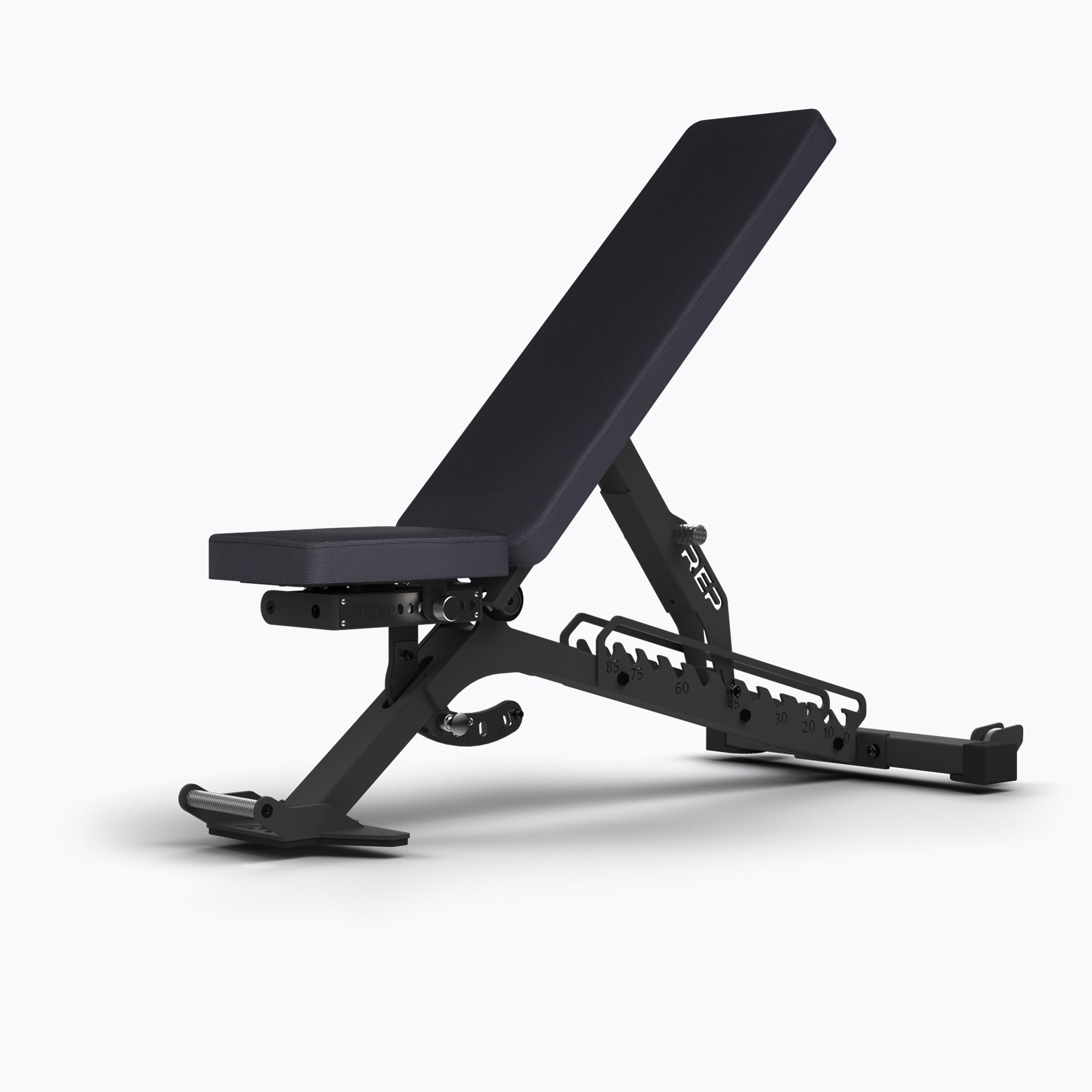
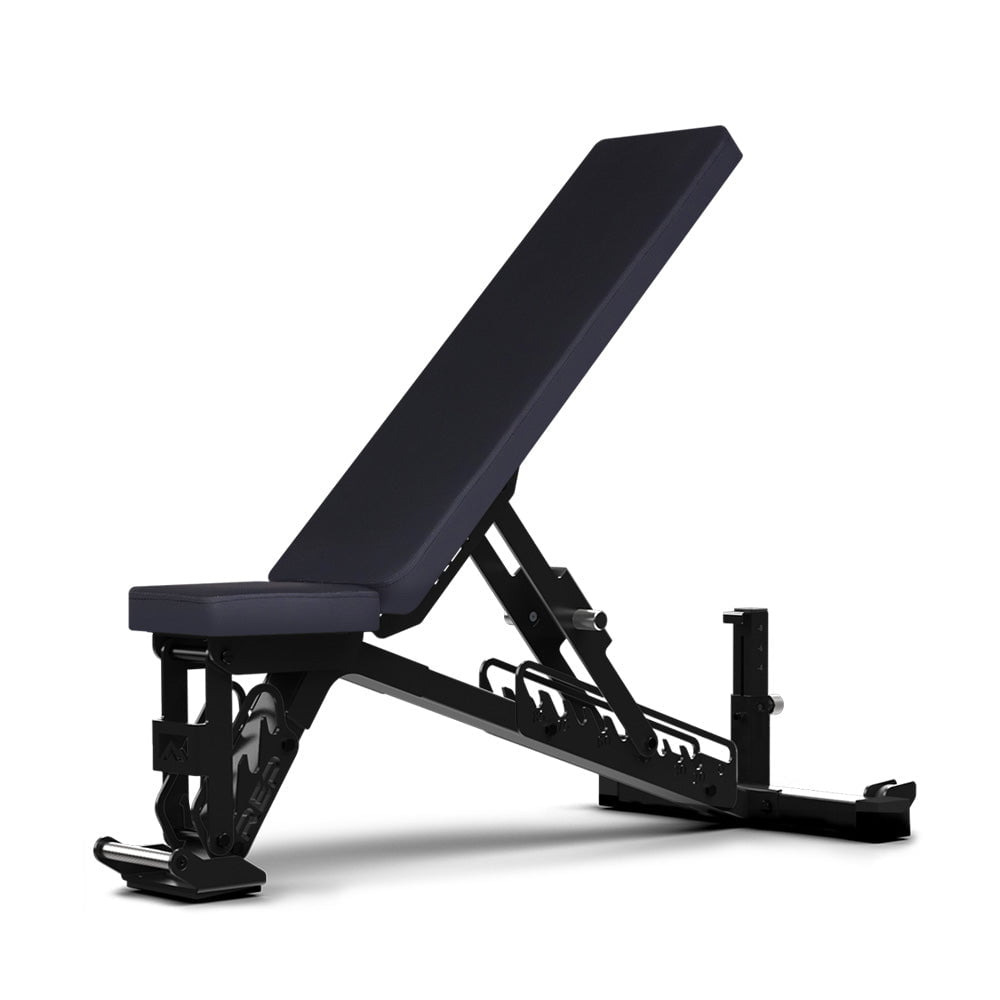
BlackWing’s sliding seat closes the join between the pads. That is valuable when the gap interrupts your preferred flat position. AB-5200 leaves a stated 3.6 cm gap, but its long back pad is a persuasive reason to choose it if head support at an incline is the main issue. Neither feature can tell you which pad will fit your body better.
| Everyday difference | BlackWing | AB-5200 2.0 |
|---|
| Back adjustment | 12 positions, −8° to 85° | 10 positions, 0° to 85° |
|---|
| Seat adjustment | Six positions | Four positions |
|---|
| Decline purchase | Backrest decline included; leg roller optional | Adjustable rear post required |
|---|
| Bench mass | About 59.4 kg | 52.16 kg |
|---|
| Published capacity | 1,000 lb | 1,000 lb |
|---|
A shared room makes weight part of the decision
Both benches have wheels and upright storage. AB-5200 is lighter, although its 65.5 cm maximum width is effectively the same as BlackWing’s. If the bench moves out of a rack after every session, favour the adjustments you will use over the longest feature list. If it stays in a dedicated lifting position, BlackWing’s extra mass has less effect on the daily setup.
Specify the Australian order
Gym and Fitness lists both benches. For BlackWing, identify the pad width and whether you want the optional leg roller. For AB-5200, state whether the adjustable rear post is included. These are the options that make a delivered quote useful; a photograph of a fully equipped bench cannot settle them.
For mainly flat pressing, keep a bench that already provides the support and load rating your training requires. The reason to replace it is an improvement you will use: fit, incline work, decline work or the pad join. Extra adjustment by itself is a weak reason to spend.